
Jewelry is one of the most cherished forms of art. From engagement rings to intricate necklaces, it’s the pieces that showcase the skill of jewelers and the beauty of materials. But behind these stunning designs is a tool that has transformed how jewelry is created and repaired—the jewelry welding machine. This powerful device has become indispensable in modern jewelry-making, offering unmatched precision and efficiency. In this article, we will explore the applications of jewelry welding machines, how they work, and why they’re essential for every jeweler.
Why Are Jewelry Welding Machines Important?
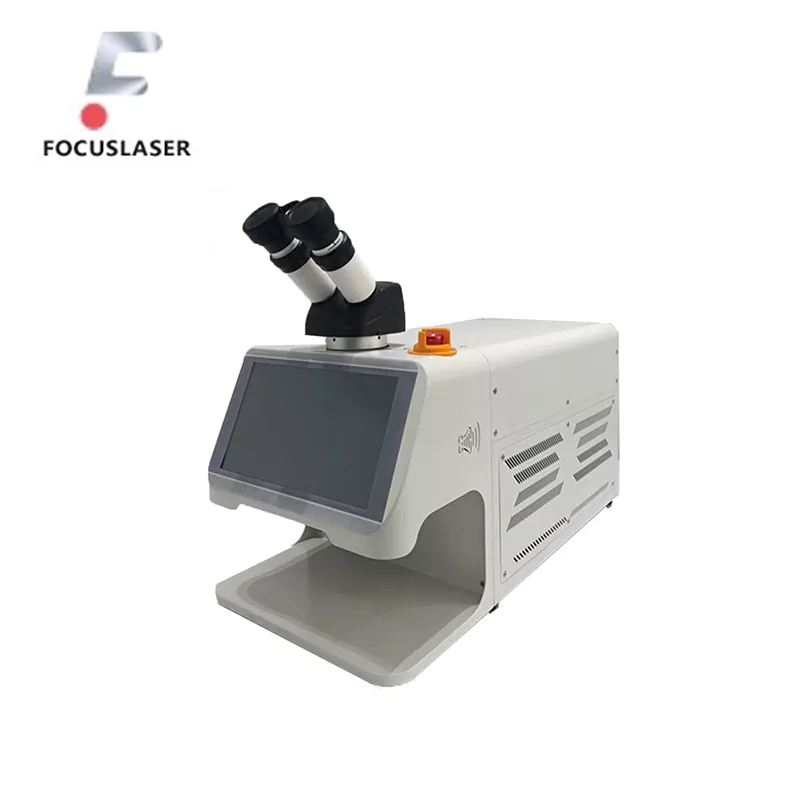
Jewelry-making has always involved precision and care, especially when it comes to tasks like resizing rings, fixing broken chains, or creating custom designs. Traditional methods of joining metals, such as soldering, were common but had many limitations. Soldering can be imprecise, require long hours of post-processing, and in some cases, damage gemstones. This is where jewelry welding machines come in, revolutionizing the industry.
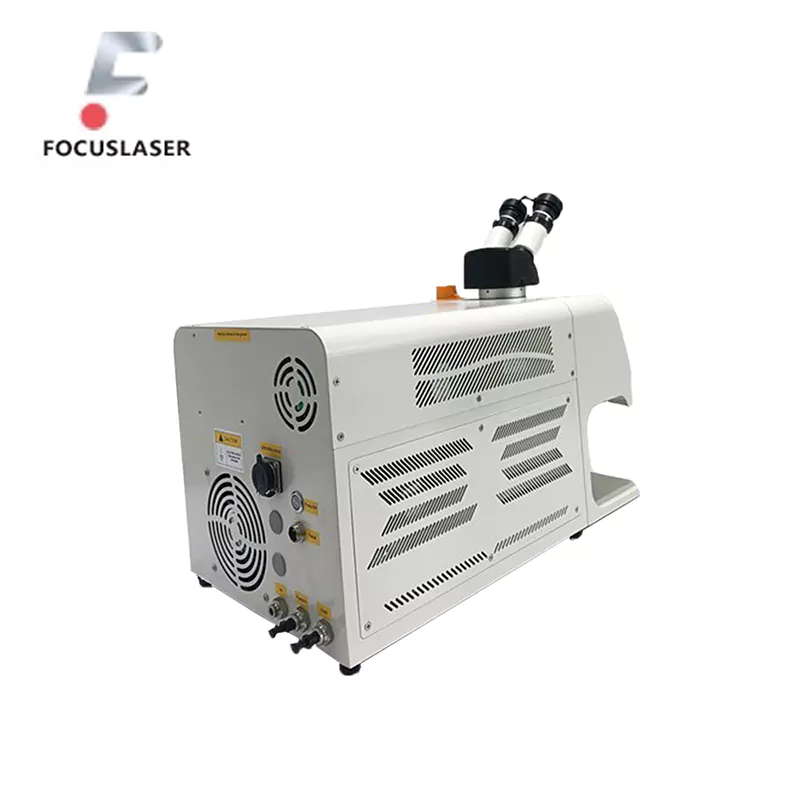
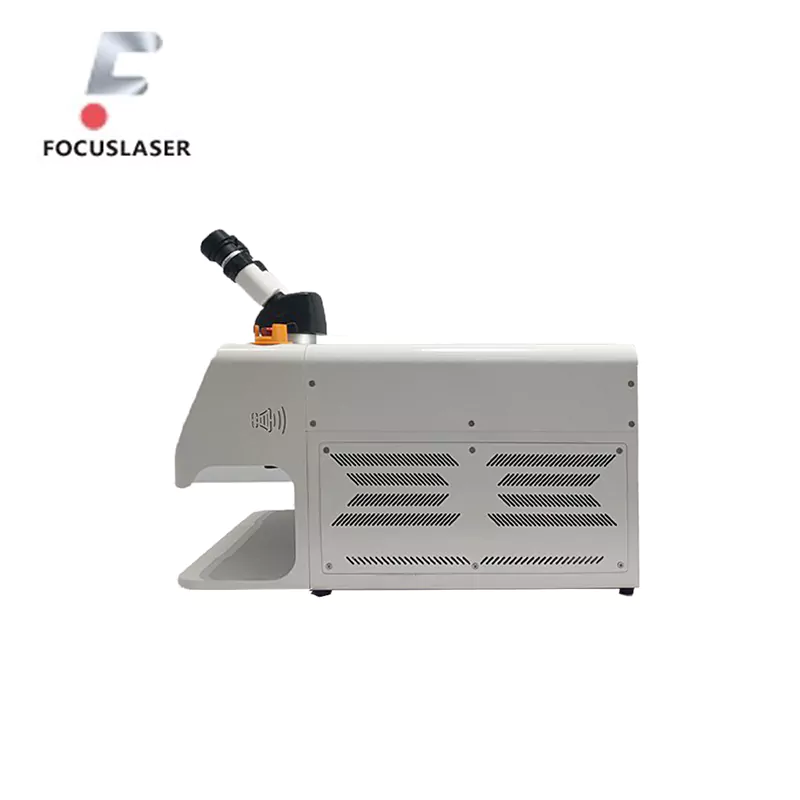
These machines, particularly laser-based ones, use a concentrated beam of light to heat and fuse metals together. Unlike soldering, which often requires added materials like solder, laser welding relies purely on the focused heat from a laser to join the metals. This method is more precise, requires less finishing work, and most importantly, it doesn’t damage delicate stones. For these reasons, these machines have become vital tools for jewelers who want to deliver high-quality results.
Which Materials Can Be Welded with Jewelry Welding Machines?
One of the major advantages of jewelry welding machines is their ability to work with a wide variety of metals. Jewelry is made from many different types of materials, including precious metals like gold, silver, and platinum, as well as more affordable metals like copper and brass. But can a jewelry welding machine handle all these materials?
The answer is yes. Jewelry welding machines can effectively weld metals like:
- Gold: Whether it’s yellow, white, or rose gold, these machines can handle different gold alloys with ease. Gold’s malleability makes it perfect for intricate designs and repairs, and laser welding ensures precision without compromising the integrity of the piece.
- Silver: Silver is often used in jewelry, but it can be tricky to weld because of its tendency to tarnish or develop defects under high heat. Jewelry welding machines offer a precise, low-heat solution for silver welding, making it ideal for small, delicate pieces.
- Platinum: Platinum is one of the most challenging metals to work with due to its high melting point. Jewelry welding machines can weld platinum with great accuracy, making them indispensable for repairing or creating high-end platinum jewelry.
- Copper: Copper is a popular metal in jewelry making, particularly for creating designs with a vintage or rustic feel. A laser welding machine can easily weld copper, producing strong, clean joints that require minimal post-welding work.
- Titanium: Known for its strength and lightness, titanium is used in modern, high-tech jewelry designs. Titanium’s high melting point requires special welding techniques, and a jewelry welding machine can handle it without a problem.
Jewelry welding machines are not limited to just these metals. They can also weld alloys and other materials, making them highly versatile. This capability opens up a wide range of possibilities for jewelers, from repairing delicate pieces to creating custom designs.
Properties of Jewelry Welding Machines
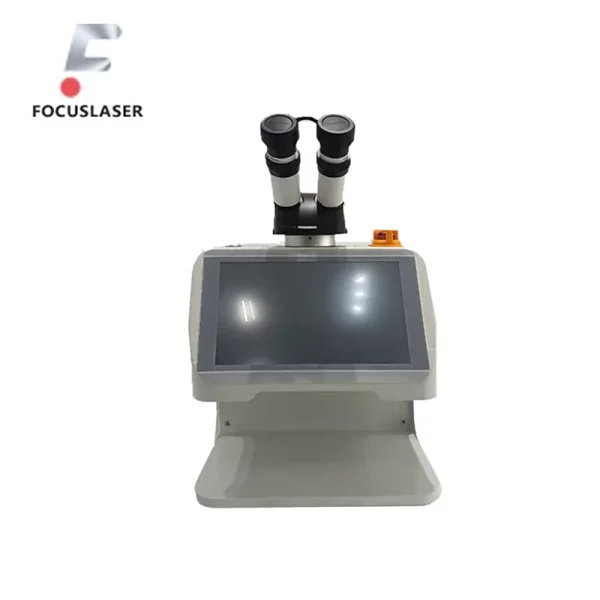
Advanced jewelry welding machines stand out because of the unique features they bring to the table. These machines are designed for precision and efficiency, making them essential for both creation and repair. Let’s take a closer look at some of their key properties.
High Precision
One of the most notable features of these machines is their precision. The laser beam is highly focused, allowing jewelers to weld even the tiniest components with pinpoint accuracy. Whether you’re working with small prongs, delicate links, or intricate designs, laser welding ensures that the weld is clean and precise. This level of precision helps create jewelry that not only looks better but is also structurally sound.
Minimal Heat Affected Zone (HAZ)
Another key advantage of laser welding is the minimal heat-affected zone (HAZ). In traditional soldering, heat is applied to a larger area, which can affect the surrounding materials and damage gemstones. However, laser welding focuses the heat on a very small area, limiting the amount of heat that spreads to the rest of the piece. This is especially important for jewelers who work with stones that could be damaged by excessive heat.
Reduced Post-Processing
Laser welding reduces the need for extensive post-weld cleaning. Traditional welding methods can leave behind rough edges or require polishing to achieve a smooth finish. Laser welding, on the other hand, leaves clean, smooth joints with minimal imperfections. This means jewelers spend less time on finishing work, allowing for quicker production times and higher-quality results.
The Many Applications of Jewelry Welding Machines
Now that we understand why jewelry welding machines are important and the types of metals they can handle, let’s take a closer look at the applications. These machines are incredibly versatile and can be used for a wide variety of tasks in jewelry making.
Custom Jewelry Creation
One of the most exciting applications of jewelry welding machines is in custom jewelry creation. Jewelry designers and manufacturers can use these machines to create intricate, one-of-a-kind pieces. Laser welding allows jewelers to join metals with extreme precision, enabling them to craft complex designs, such as filigree, detailed settings, or unique patterns that would be difficult to achieve with traditional methods.
For example, creating a delicate, intricate ring with fine details would require a welding machine that offers both power and precision. Laser welders can join tiny components and parts, such as small prongs or links, without the risk of damaging the overall structure. The high level of precision also allows jewelers to weld components together that are too small or intricate to be soldered effectively.
Repair and Resizing
Another significant benefit of jewelry welding machines is their ability to perform repair and resizing tasks. Jewelers can use laser welders to fix broken jewelry, resize rings, or repair damaged prongs, all without removing gemstones. This capability is a massive advantage because gemstones are often sensitive to heat, and removing them for repair can be time-consuming and risky.
Laser welding machines are designed to concentrate heat only on the specific area being worked on, minimizing heat transfer to other parts of the jewelry. This means that jewelers can resize rings, fix broken chains, or re-tip prongs without worrying about damaging the surrounding stones. For example, if a gemstone is set in a ring and one of the prongs breaks, the jeweler can repair the prong using the welding machine, all while keeping the stone in place.
Gemstone Setting and Protection
When it comes to setting gemstones, especially delicate ones, the heat produced by traditional soldering methods can be a significant concern. High temperatures can damage or even crack gemstones, which is why laser welding machines are so valuable. The precise control over the heat means that the stone remains unaffected, even if it’s in close proximity to the welding area.
Laser welding machines allow jewelers to work around the gemstones without fear of causing damage. Whether setting stones into rings, pendants, or earrings, the jewelry welding machine offers jewelers the peace of mind that their stones are safe and secure during the welding process.
Joining Different Metals
Many jewelry designs require the use of multiple metals to create a striking contrast or unique texture. Jewelry welding machines make it possible to join different metals together, creating durable multi-metal designs. For example, a designer might want to join a gold band with a platinum accent or add silver details to a gold bracelet. Laser welding allows for the seamless integration of different metals, ensuring that the joint is strong and clean.
The ability to weld dissimilar metals is particularly useful when creating custom designs or repair work involving mixed-metal jewelry. By adjusting the machine’s settings, jewelers can weld metals with different properties without compromising the strength or appearance of the finished piece.
Selecting the Right Application Scenarios
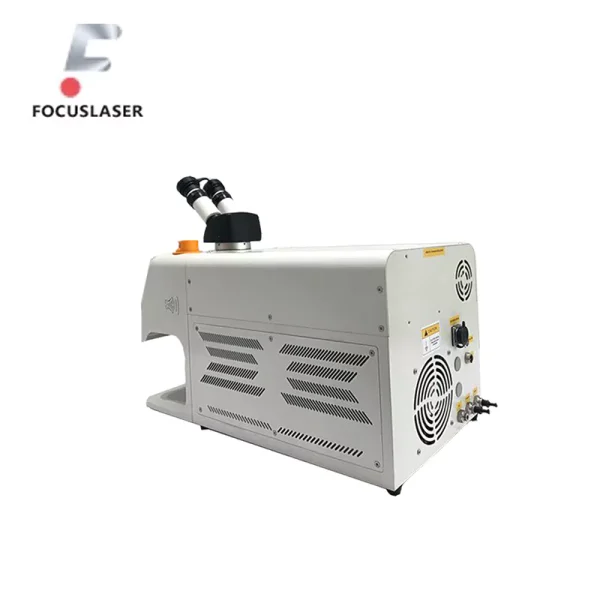
Choosing the right application for a jewelry welding machine depends on several factors. Let’s take a look at what you need to consider when selecting the appropriate scenario for using the machine.
Material Type
The type of metal being welded plays a significant role in determining the settings on the jewelry welding machine. Different metals require different levels of power and pulse frequency to achieve the best results. For example, thicker metals like gold may require more power, while delicate materials like platinum may need lower settings to avoid overheating.
Size and Delicacy of the Piece
The precision of the machine makes it ideal for working with small and intricate jewelry pieces. Whether you’re resizing a delicate ring or fixing a tiny link in a chain, laser welding machines are perfect for fine work. The machine’s ability to focus the laser on specific areas without affecting surrounding materials is crucial for working with delicate pieces.
Nature of the Work
Whether you’re performing repairs or creating new jewelry, high-performance jewelry welding machines offer versatility for both tasks. They’re great for fixing damaged pieces, such as broken chains or prongs, and are equally effective in production settings where jewelers need to create or assemble new pieces. The versatility of these machines makes them a must-have for any jeweler.
Step-by-Step Operation Guide for Jewelry Welding Machines
Using a jewelry welding machine might seem complicated, but with a little practice, it becomes quite manageable. The first and most important step is preparation. Before starting, it’s essential to clean the jewelry to remove any dirt, oils, or other contaminants. This step is crucial because impurities on the surface of the metal can interfere with the welding process, leading to weak or uneven joints. Clean the piece thoroughly using appropriate methods like ultrasonic cleaning or wiping with a cloth to ensure the surface is free of debris.
Next, setting the parameters is essential for a precise weld. You need to adjust the laser’s power, pulse frequency, and welding time based on the material you’re working with. For example, gold and silver require different settings than harder metals like platinum. By adjusting these parameters correctly, you ensure that the metal melts just enough to fuse the pieces together, but not too much to cause overheating or other damage. Taking the time to get these settings right can significantly improve the quality of your weld.
Once the parameters are set, the next step is aligning the workpiece. Use the laser aiming system or magnification tools to position the jewelry precisely under the laser beam. Accuracy is vital here, especially when dealing with small or intricate pieces. Misalignment can result in uneven or faulty welds, so double-checking this step is crucial before starting the welding process.
Initiating the Welding Process
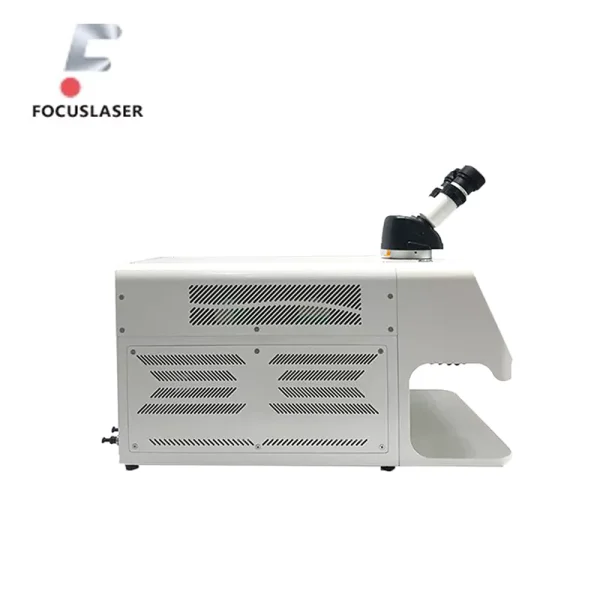
After ensuring that everything is properly aligned and the parameters are set, the next step is to initiate the welding process. To begin, press the start button, which activates the laser welding machine. The laser will focus its energy on the designated weld point, fusing the metal pieces together at high precision. Unlike traditional methods like soldering, laser welding uses a highly focused beam of light that melts only a small part of the metal, allowing the surrounding material to remain unaffected. This precision is essential, especially when working with delicate components or materials that are sensitive to heat.
During the welding process, it’s important to monitor the machine to ensure the weld is progressing smoothly. Depending on the complexity of the weld, the machine may perform a series of pulses or continuous welding until the joint is complete. For more intricate tasks, such as welding small prongs or delicate chain links, the jeweler may need to adjust the settings or pause to check the results. Patience is key during this step, as rushing through the process can lead to poor-quality welds or damage to the workpiece.
Quality Check After Welding
Once the welding process is complete, it’s essential to conduct a quality check. Inspect the work carefully to ensure that there are no defects such as cracks, gaps, or misalignments. A successful weld should look clean and seamless, with the metal properly fused together without any visible flaws. Use magnification tools or a jeweler’s loupe to examine the weld area closely. It’s especially important to check for any imperfections that could weaken the structure or affect the aesthetic of the piece, such as discoloration or excess material.
If any defects are found, the piece may need to be reworked. In some cases, minor imperfections can be corrected with additional welding or smoothing techniques. After the quality check, it’s also helpful to perform a stress test on the welded area to ensure it is structurally sound. This step is particularly important for pieces that will undergo wear and tear, such as rings or bracelets, as it helps guarantee the durability of the weld.
Lastly, document the results of the quality check, especially if you’re working in a professional or commercial setting. Tracking your work helps you identify potential issues with machine settings or technique, allowing you to improve over time and ensure consistency in your welding process.
Post-Processing the Welded Jewelry
After successfully welding the jewelry, post-processing is the next step. While laser welding significantly reduces the need for post-weld clean-up compared to traditional soldering, there may still be minor imperfections to address. For example, some welds may leave behind a small amount of excess material or discoloration from the heat of the laser. These can be easily polished away using fine abrasives or a polishing wheel.
In addition to polishing, some pieces may require further adjustments to ensure the overall finish is smooth and polished. If the welding process left any rough edges or slightly uneven surfaces, these can be smoothed down with precision tools like files or buffing wheels. Post-processing also includes checking the overall finish of the piece to ensure it meets the desired standards of craftsmanship.
For jewelers, post-processing is a critical stage that adds the final touches to a piece. It can make the difference between a good piece of jewelry and an exceptional one. After polishing, cleaning the piece again is recommended to remove any polishing compounds and residue. This ensures that the piece is ready for delivery to customers or for the next stage of jewelry production.
Troubleshooting Common Issues with Jewelry Welding Machines
While high-quality jewelry welding machines are generally reliable, there are still a few common issues that jewelers might encounter. One of the most frequent problems is misalignment of the workpiece. If the jewelry isn’t correctly positioned under the laser, the weld may be uneven, resulting in weak joints or aesthetic flaws. To avoid this, always double-check the alignment before starting the welding process. Make sure that the laser is focused on the correct area, especially when working with small components or intricate designs.
Another issue that might arise is inconsistent weld quality. If the weld is weak or the joint isn’t fully fused, this could be due to incorrect machine settings. For example, the power level or pulse frequency may need adjustment. Additionally, the material being welded might require specific settings to ensure a strong bond. In such cases, review the machine’s parameters and adjust them based on the material type and the complexity of the weld.
Weld defects such as cracks, pores, or discoloration can also occur. These defects are usually the result of improper preparation or incorrect settings on the welding machine. Ensure that the jewelry is thoroughly cleaned before welding and that the machine’s settings match the metal being used. If defects do occur, rework the weld or adjust the settings and try again. By addressing these common issues promptly, jewelers can ensure their welding process remains efficient and produces high-quality results every time.
The Future of Jewelry Manufacturing with Welding Machines
As technology continues to advance, the future of jewelry manufacturing looks increasingly promising, particularly with the development of jewelry welding machines. Laser welding technology is expected to evolve even further, bringing about significant improvements in precision, speed, and overall efficiency. These machines are already capable of delivering outstanding results, but innovations in laser technology may allow them to handle even more delicate or complex materials, opening new doors for designers and jewelers.
In the future, jewelry welding machines could become more compact and user-friendly, making them accessible to smaller jewelry workshops and independent artisans. As the technology becomes more affordable and efficient, even more jewelers will be able to adopt these machines, leading to increased innovation and creativity in the industry.
Additionally, eco-friendly solutions may play a bigger role in the evolution of jewelry welding machines. With growing concerns about environmental sustainability, future machines could incorporate energy-efficient features or utilize less harmful materials in the welding process. This would reduce the environmental footprint of jewelry manufacturing while maintaining the high standards of quality and precision that the industry demands.
As more jewelers embrace these advanced technologies, the future of jewelry manufacturing will likely become faster, more efficient, and environmentally responsible, all while producing beautiful, high-quality pieces for consumers. With the ongoing evolution of welding machines, the possibilities for what jewelers can create are limitless.
Conclusion
Jewelry welding machines are revolutionizing the jewelry industry, offering precision, efficiency, and versatility. From creating custom designs to repairing and resizing delicate pieces, these machines have become essential for modern jewelers. Their ability to work with various materials, including precious metals and gemstones, and their minimal post-processing needs, make them a must-have tool for anyone serious about jewelry making. As technology continues to advance, the future of jewelry welding looks even more promising, providing even more possibilities for creative and flawless designs.
If you’re a jeweler looking to take your creations to the next level, investing in a premium jewelry welding machine may just be the game-changer you’ve been waiting for.
Frequently Asked Questions (FAQ)
- Can jewelry laser welding machines be used on all types of metals?
Yes, most jewelry laser welding machines can be used with various metals such as gold, silver, platinum, titanium, and alloys. However, the welding parameters may need to be adjusted based on the metal type. - Is it necessary to remove gemstones before welding?
No, one of the primary advantages of laser welding is that it requires minimal heat, meaning gemstones do not need to be removed from the settings during repair or resizing. - How long does it take to weld a piece of jewelry?
Laser welding is a fast process, with most repairs or designs completed in a matter of minutes. The time depends on the complexity of the weld and the material being used. - Are laser welding machines hard to use?
While there is a learning curve, modern jewelry laser welding machines are relatively user-friendly, with many featuring intuitive controls and magnification tools to help operators achieve precise results. - What are the main advantages of using a laser welder over traditional soldering?
Laser welders offer superior precision, minimal heat-affected zone, reduced post-processing, and faster results. Unlike soldering, which can alter the color of metals or require extensive cleanup, laser welding leaves a clean, polished finish.
Embrace the future of jewelry-making and watch your designs come to life with more precision and efficiency than ever before. Contact us now!
