
Imagine this: A customer walks into your jewelry shop with a broken gold chain, hoping you can fix it without leaving any visible marks. Or perhaps you’re crafting a custom engagement ring that requires seamless metal bonding without overheating delicate gemstones. Traditional soldering methods might struggle with these tasks—but a jewelry spot welder makes them effortless.
Jewelry welding technology has transformed how professionals repair, resize, and design fine jewelry. By using high-energy laser pulses, these machines allow jewelers to create strong, limpio, and nearly invisible welds, all while protecting delicate materials from heat damage. Whether you’re a seasoned jeweler or just starting, investing in the right welding tool can significantly improve your work’s quality and efficiency.
En este artículo, we’ll explore:
✅ How a jewelry spot welder works
✅ Why jewelers prefer laser welding over traditional soldering
✅ The most common applications in jewelry-making
✅ How to choose the best welder for your needs
✅ Expert tips for getting flawless results
By the end, you’ll understand why more jewelers are switching to laser welding—and why Focus Laser System’s jewelry welding machines stand out in the market. Vamos a sumergirnos!
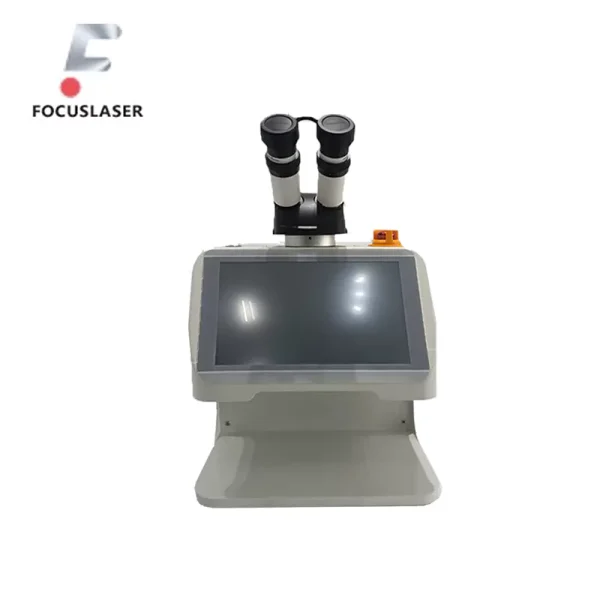
What is a Jewelry Spot Welder and How Does It Work?
Jewelry welding might sound complex, but the technology behind it is surprisingly straightforward. A jewelry spot welder uses focused laser energy to fuse metal pieces together, creating a bond that is both strong and seamless.
Unlike traditional soldering—which requires additional metal (solder) and heats a larger area—a laser welding machine pinpoints heat with extreme accuracy. This means:
✔️ No excessive heat damage to surrounding metal or gemstones
✔️ Minimal discoloration or warping of the jewelry piece
✔️ Stronger, cleaner joints without the need for solder
This precision is why high-end jewelers and manufacturers rely on laser welding for intricate designs, custom creations, and high-quality repairs.
Why Do Jewelers Need a Jewelry Spot Welder?
Jewelers work with delicate and expensive materials, so precision is essential. Traditional soldering methods often use an open flame and additional metal, which can lead to overheating, discoloration, or even damage to gemstones. A jewelry spot welder solves these problems by offering more control and accuracy.
1. More Precision, Less Damage
One of the biggest advantages of using a high-quality jewelry spot welder is its ability to create strong and nearly invisible welds. Since the heat is applied only to a small, focused area, the rest of the piece remains untouched. This is especially important when working with thin chains, intricate filigree, or settings that hold delicate gemstones. With traditional soldering, the risk of heat damage is much higher, often requiring additional refinishing to restore the jewelry’s original appearance.
2. Faster Repairs and Production
Another reason jewelers prefer laser welding is efficiency. A skilled jeweler can complete a weld in just a few seconds, making repairs and production much faster. Traditional soldering, por otro lado, requires more setup, extra materials, and longer cooling times. For businesses, this means higher productivity and better customer satisfaction. When repairs are done quickly and cleanly, customers are more likely to return for future services.
3. Stronger and Cleaner Joints
Unlike traditional soldering, which requires additional metal (solder) to bond pieces together, a jewelry spot welder directly fuses the metals, creating a much stronger joint. This results in cleaner finishes with no excess material, making it ideal for fine jewelry where aesthetics matter.
4. Versatility in Jewelry Making
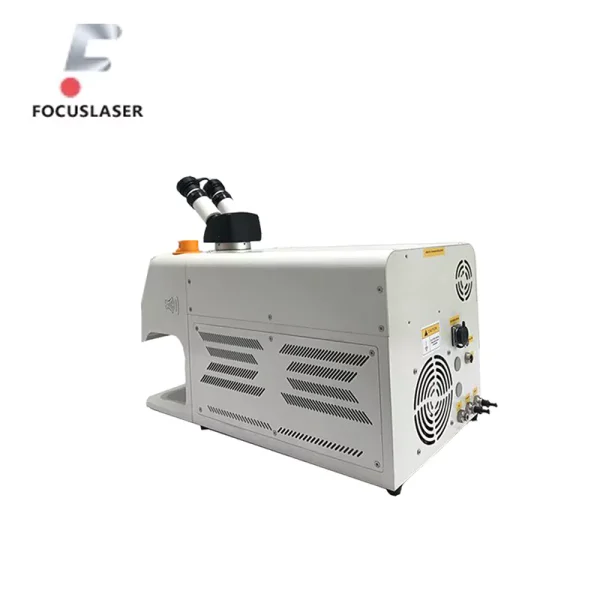
A jewelry spot welder is also versatile. It can be used for repairs, modificaciones, and even new designs. Whether resizing a ring, fixing a broken clasp, or assembling a custom pendant, laser welding allows jewelers to work with precision and confidence.
5. Ideal for Mass Production
Beyond jewelry repair and creation, spot welding is also useful in mass production. Many jewelry manufacturers rely on this technology to ensure consistency and durability in their pieces. Since laser welding creates clean and strong joints, it helps maintain the quality and longevity of jewelry, which is important for both artisans and customers.
With these advantages, it’s no surprise that more and more jewelers are choosing an advanced jewelry spot welder over traditional methods. But how exactly is it used in daily work? The next section will cover its most common applications in jewelry making.
Applications of a Jewelry Spot Welder in Jewelry Making
A jewelry spot welder is a valuable tool that enhances both the repair and creation of fine jewelry. Whether fixing a broken clasp or crafting a custom design, laser welding offers precision, strength, y eficiencia. Below are some of the most common ways jewelers use this technology in their daily work.
1. Repairing Broken Jewelry
Jewelry is often delicate, and pieces like chains, clasps, and prongs can easily break with regular wear. A jewelry spot welder allows jewelers to repair these components without the need for additional solder or excessive heat.
- Broken chains: Fine chains, especially those made of gold or silver, can be difficult to repair using traditional methods. Laser welding fuses the links together seamlessly, making the repair nearly invisible.
- Clasps and hinges: Small moving parts, like clasps and hinges on bracelets or necklaces, require precise welding to ensure durability without affecting their functionality.
- Ring prongs: When a prong holding a gemstone becomes loose or breaks, a jewelry spot welder can reattach or reinforce it without overheating the stone.
2. Resizing Rings Without Visible Seams
Ring resizing is a common request in jewelry stores. Traditional soldering methods require cutting the ring and adding or removing metal, which can leave visible seams or weak points. A jewelry spot welder, sin embargo, allows jewelers to:
- Add or remove metal with a strong, smooth joint that blends seamlessly with the ring.
- Resize rings without affecting gemstones, ensuring they remain secure and undamaged.
- Work with various metals, incluyendo oro, platino, y titanio, which can be challenging to resize using conventional methods.
3. Creating Custom Jewelry Designs
Many jewelers use laser welding to bring their unique designs to life. The ability to join small, intricate parts without using excess metal is essential for creating fine jewelry with delicate details.
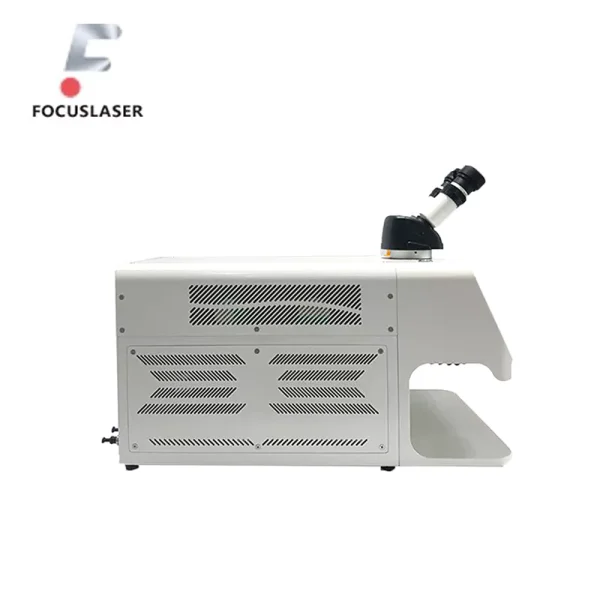
- Assembling tiny components: When making detailed pendants, filigree designs, or intricate rings, a jewelry spot welder ensures that the smallest parts are securely fused.
- Mixing different metals: Some custom jewelry pieces combine gold, plata, and platinum in a single design. A jewelry spot welder allows jewelers to join these metals without visible joints or color changes.
- Engraved or textured pieces: Since laser welding does not spread heat to surrounding areas, jewelers can weld near engravings or textures without damaging them.
4. Stone Setting Without Heat Damage
One of the biggest challenges in jewelry repair and creation is working around gemstones. Many stones, including diamonds, emeralds, and opals, are sensitive to heat and can crack or discolor if exposed to a flame. A jewelry spot welder helps:
- Secure loose gemstones without removing them from the setting.
- Repair metal prongs holding stones in place without transferring heat.
- Preserve the original appearance of the jewelry by avoiding unnecessary refinishing.
5. Improving Mass Production Efficiency
Jewelry manufacturers use laser welding to increase efficiency and maintain consistency in their designs. This technology allows for:
- Faster production times: Since each weld takes only a few seconds, manufacturers can create large batches of jewelry without sacrificing quality.
- Stronger final products: A jewelry spot welder ensures each joint is as strong as possible, reducing defects and minimizing the need for repairs.
- Better quality control: Unlike soldering, which can sometimes result in excess material or uneven finishes, laser welding produces clean, uniform results every time.
From delicate repairs to large-scale production, a jewelry spot welder is one of the most essential tools in modern jewelry making. But how does it compare to traditional soldering? The next section will break down the differences.
Jewelry Spot Welder vs. Traditional Soldering: Which is Better?
For centuries, jewelers have relied on soldering to join metal pieces together. While this method has been effective, it comes with several challenges, especially when working with delicate jewelry. A jewelry spot welder offers a modern alternative that eliminates many of these problems. But how does it really compare to traditional soldering?
1. Heat Impact on Jewelry
One of the biggest disadvantages of traditional soldering is the high heat required to melt solder. This can be a problem, especially when working near gemstones or fine details.
- Traditional soldering: Requires a flame that heats a larger area, increasing the risk of damaging stones, warping metal, or leaving visible burn marks.
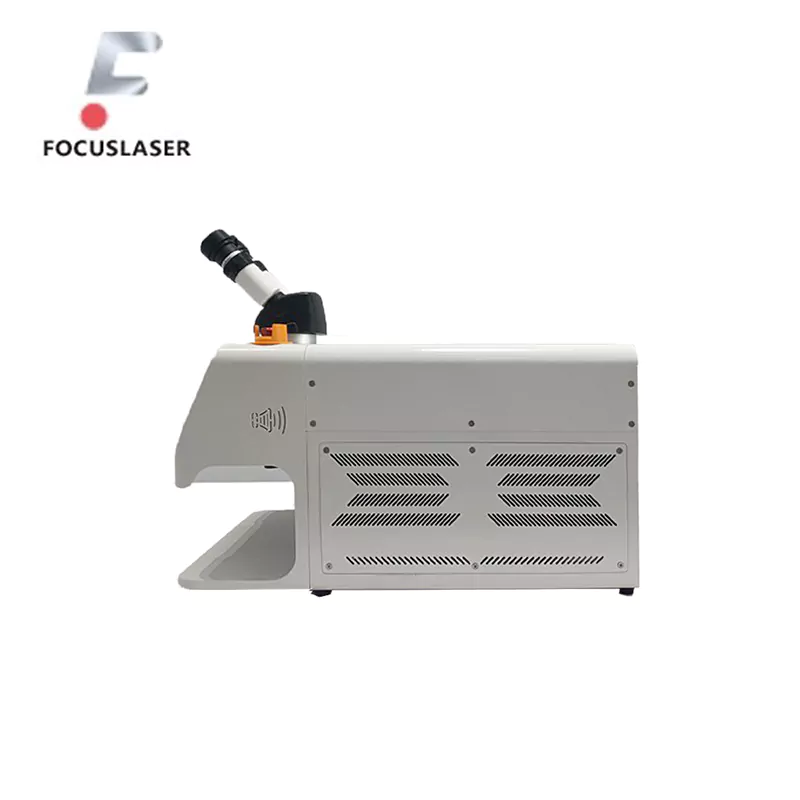
- Jewelry spot welder: Uses a focused laser beam to heat only the specific spot being welded, keeping the rest of the piece cool and undamaged.
This makes laser welding ideal for fixing prongs, cambiar el tamaño de los anillos, or assembling intricate pieces without affecting surrounding details.
2. Strength and Durability of the Weld
When it comes to durability, a jewelry spot welder offers stronger and cleaner joints compared to soldering.
- Traditional soldering: Bonds two metal pieces using additional solder, which may create weak points over time. The solder itself is often softer than the base metal, making the joint prone to wear and tear.
- Jewelry spot welder: Directly fuses the metal pieces together without requiring extra materials, resulting in a stronger, more durable bond.
This difference is especially noticeable in high-stress areas like ring shanks, chains, and clasps, where long-term durability is essential.
3. Precision and Appearance
Jewelers who specialize in fine, high-end designs often prefer a high-performance jewelry spot welder because of its unmatched precision.
- Traditional soldering: Requires sanding, polishing, and refinishing to remove excess solder and blend the joint with the rest of the piece. This can sometimes result in visible seams or discoloration.
- Jewelry spot welder: Leaves a clean and seamless finish, often eliminating the need for additional touch-ups.
This is particularly useful when working with intricate designs, custom engravings, or delicate filigree, where every small detail matters.
4. Velocidad y eficiencia
For jewelers working in a fast-paced environment, a jewelry spot welder can significantly reduce repair and production times.
- Traditional soldering: Requires several steps, including cleaning, applying flux, heating, soldering, cooling, and polishing. The process is time-consuming, especially when working with multiple small pieces.
- Jewelry spot welder: Takes only a few seconds per weld, allowing jewelers to complete repairs and assemblies much faster.
This efficiency makes laser welding ideal for both small repair shops and large-scale jewelry manufacturers.
5. Safety Considerations
Both soldering and laser welding require proper safety precautions, but a jewelry spot welder is generally considered safer and easier to use.
- Traditional soldering: Involves an open flame, which requires proper ventilation, fire safety measures, and careful handling.
- Jewelry spot welder: Does not produce an open flame or toxic fumes, making it a cleaner and safer option for jewelers.
Which One Should You Choose?
While traditional soldering still has its place in jewelry making, a jewelry spot welder is the better choice for precision, velocidad, durabilidad, y seguridad. Whether you’re a small business or a large manufacturer, laser welding allows you to create high-quality jewelry with less effort and risk.
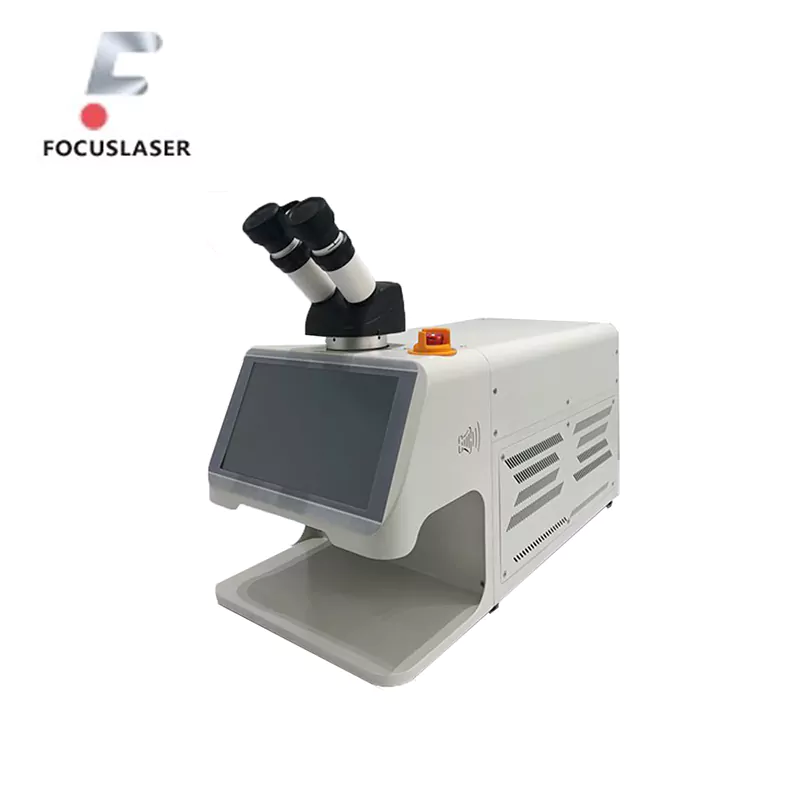
But what types of metals can actually be welded with this technology? The next section will explore the different materials that can be used with a jewelry spot welder.
What Metals Can Be Welded with a Jewelry Spot Welder?
One of the biggest advantages of using a jewelry spot welder is its versatility in working with different metals. Jewelers use a variety of materials, each with unique characteristics that affect how they can be welded. Traditional soldering can be challenging with certain metals, but laser welding provides a precise and efficient solution for nearly all types of jewelry materials.
1. Gold and Its Alloys
Gold is one of the most commonly used metals in jewelry making, and a jewelry spot welder can handle it with ease. Whether working with yellow gold, white gold or rose gold, laser welding provides clean and durable joints.
- Benefits of welding gold with a jewelry spot welder:
- Prevents excessive heat, which can cause color changes or weaken the metal.
- Ensures precise, seamless joints, especially in delicate settings.
- Works well with both solid gold and gold-plated pieces.
2. Plata: A Soft but Challenging Metal
Silver is widely used in jewelry, but it can be difficult to work with using traditional methods. It has a high thermal conductivity, meaning it absorbs heat quickly and spreads it across the entire piece. This makes soldering tricky, as too much heat can damage the jewelry.
- Advantages of laser welding silver:
- Allows for localized heating, reducing heat spread.
- Prevents excessive oxidation, which is common with soldering.
- Creates stronger joints without affecting the jewelry’s finish.
3. Platinum and Palladium: High-Performance Metals
Platinum and palladium are durable and corrosion-resistant, making them ideal for high-end jewelry. Sin embargo, their high melting points make traditional soldering difficult.
- Why laser welding is better for platinum and palladium:
- No need for filler materials, ensuring a clean, pure bond.
- Produces stronger joints that match the metal’s strength.
- Maintains the natural white luster of platinum without discoloration.
4. Titanium and Stainless Steel: Modern Jewelry Materials
Titanium and stainless steel are popular choices for contemporary jewelry, especially in wedding bands, relojes, and medical-grade jewelry. Traditional soldering methods struggle with these metals because they require high heat and specialized techniques.
- Laser welding advantages for titanium and steel:
- Provides precise control over the heat, preventing warping.
- Ensures a strong, long-lasting bond.
- Works well with both polished and brushed finishes.
5. Copper and Brass: Difficult but Possible
Copper and brass are widely used in artisan and antique jewelry, but they are notoriously difficult to solder due to their high thermal conductivity and oxidation tendencies.
- How a jewelry spot welder helps:
- Reduces oxidation by minimizing heat exposure.
- Provides better joint strength compared to traditional soldering.
- Works well for restoring vintage or handmade jewelry.
With so many metals supported, a jewelry spot welder is an essential tool for any professional jeweler. But how do you choose the best machine for your needs? The next section will cover key factors to consider before making a purchase.
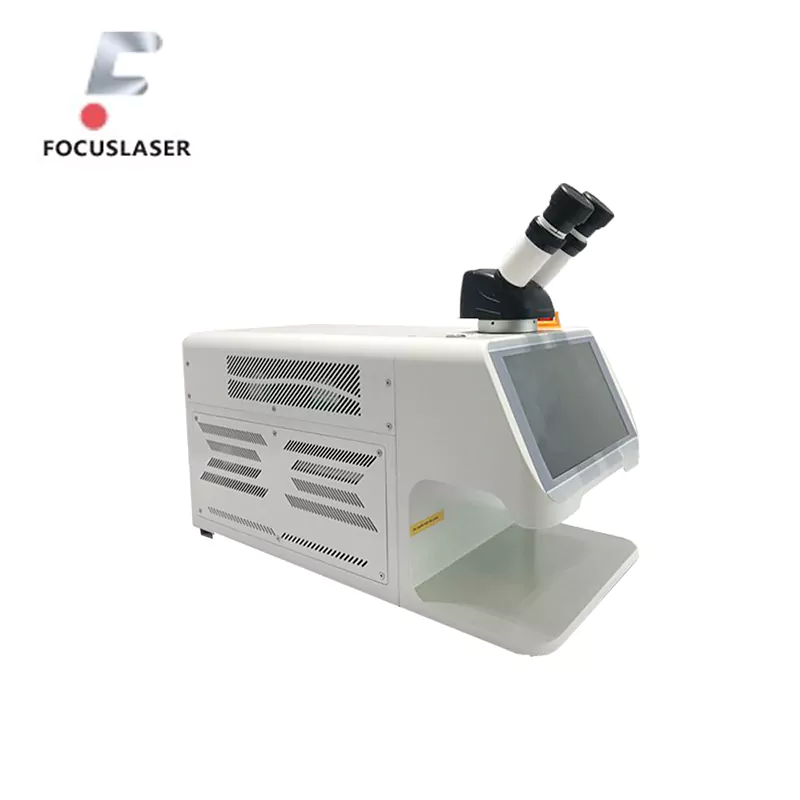
How to Choose the Right Jewelry Spot Welder
Not all jewelry welding machines are the same. The right choice depends on the types of jewelry you work with, the level of precision needed, and your budget. Below are the most important factors to consider when selecting a jewelry spot welder.
1. Power and Pulse Control
Different metals require different energy levels for proper welding. A good jewelry spot welder should have:
- Adjustable power settings to accommodate soft and hard metals.
- Pulse duration control to ensure precision, especially for delicate pieces.
- Consistent energy output for uniform welds.
2. Ease of Use
A complicated machine can slow down work and lead to mistakes. Look for a user-friendly interface with:
- Intuitive controls that allow for quick adjustments.
- A clear display panel for monitoring power and pulse settings.
- Ergonomic design for comfortable operation, especially during long work sessions.
3. Compatibility with Different Metals
Some jewelry spot welders are designed for specific materials, while others work with a wide range. Make sure the machine supports:
- Oro, plata, platino, and other common jewelry metals.
- Titanium and stainless steel, if working with modern designs.
- Brass and copper, if handling vintage or handmade jewelry.
4. Durability and Maintenance
A top-quality jewelry spot welder should last for years with minimal maintenance. Consider:
- Lens and laser life expectancy—machines with replaceable parts are more cost-effective.
- Cooling systems to prevent overheating during extended use.
- Easy cleaning and calibration to maintain accuracy.
5. Presupuesto y retorno de la inversión
While jewelry spot welders can be expensive, they pay for themselves over time by:
- Speeding up repairs and production, allowing for more completed work.
- Reducing material waste, since no solder or excess metal is needed.
- Increasing quality and customer satisfaction, leading to repeat business.
Choosing the right welder is a long-term investment in your jewelry business. But even with the best machine, technique matters. The next section will provide expert tips for getting the best results with your jewelry spot welder.
Expert Tips for Getting the Best Results
Using a jewelry spot welder effectively requires skill and practice. Even with advanced technology, following best practices ensures stronger welds, cleaner finishes, and longer-lasting jewelry.
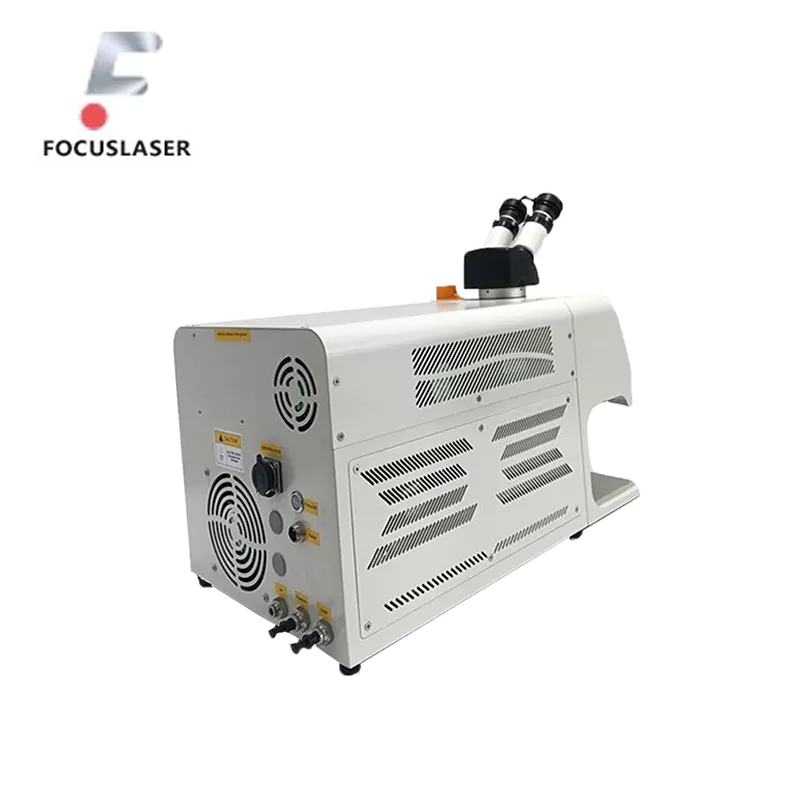
1. Practice on Scrap Metal
Before working on expensive jewelry, practice on scrap pieces to understand how different metals respond to laser welding. This helps:
- Adjust pulse settings for different materials.
- Test welding angles and techniques before working on real jewelry.
- Build confidence and precision in using the machine.
2. Adjust Settings Based on Metal Type
Different metals require different power and pulse settings. Por ejemplo:
- Gold and silver: Use moderate power to prevent overheating.
- Platinum and titanium: Require higher power and slower pulses for a strong bond.
- Thin materials: Use shorter pulses to avoid burning through the metal.
3. Keep the Machine Clean and Calibrated
A well-maintained jewelry spot welder provides consistent results. Regular maintenance includes:
- Cleaning the lenses and welding area to prevent contamination.
- Checking alignment to ensure the laser is focused correctly.
- Replacing worn-out parts to maintain precision.
4. Use Protective Gear
Even though jewelry spot welders are safer than open flames, they still require proper safety precautions. Always wear:
- Protective glasses to shield your eyes from bright laser flashes.
- Heat-resistant gloves for extra protection.
- A well-ventilated workspace to ensure safety and comfort.
By following these tips, jewelers can maximize the potential of their welding machine and create flawless pieces with confidence. Now, let’s explore why a Focus Laser System jewelry spot welder is the best choice for professionals.
Why Choose a Focus Laser System Jewelry Spot Welder?
When investing in a jewelry spot welder, it’s important to choose a brand known for quality, fiabilidad, y precisión. Focus Laser System offers industry-leading welding machines designed specifically for jewelers.
Key Benefits:
- High precision and adjustable power settings for all jewelry metals.
- Minimal heat impact, protecting delicate gemstones and intricate designs.
- Durable and long-lasting construction with low maintenance needs.
- User-friendly interface for both beginners and professionals.
A Focus Laser System jewelry spot welder is the perfect tool for jewelers who want to improve their craftsmanship and efficiency.
Conclusión
A jewelry spot welder is a game-changer for modern jewelry making. From seamless repairs to intricate designs, laser welding offers unmatched precision, velocidad, y durabilidad. Whether you’re a small business or a large manufacturer, upgrading to a Focus Laser System jewelry spot welder will take your craftsmanship to the next level.
Ready to invest in better jewelry welding? Visita Sistema láser de enfoque today to learn more!
