
Introduction
In the ever-evolving landscape of advanced manufacturing, precision, efficiency, and versatility are paramount. Among the myriad of technologies driving this industry forward, CO2 laser marking systems stand out for their unparalleled ability to deliver high-quality, durable markings on a wide range of materials. From wood and leather to acrylic and beyond, these systems have become indispensable tools for manufacturers seeking to enhance their production processes. This article explores the technology behind CO2 laser marking systems, their numerous advantages, and their pivotal role in various applications, highlighting why they are essential for modern manufacturing.
What is a CO2 Laser Marking System?
A CO2 laser marking system employs a carbon dioxide gas mixture excited by electrical energy to generate a high-intensity laser beam. This beam is then directed through a series of mirrors and lenses to focus precisely on the surface of the material being marked. The interaction between the laser beam and the material’s surface results in a variety of effects, such as ablation, engraving, or discoloration, depending on the material properties and laser settings.
The typical wavelength of a CO2 laser is 10.6 micrometers, which is highly effective for marking a diverse range of organic and non-organic materials. This versatility makes CO2 laser marking systems particularly valuable in industries where different materials are used, such as automotive, electronics, and textiles.
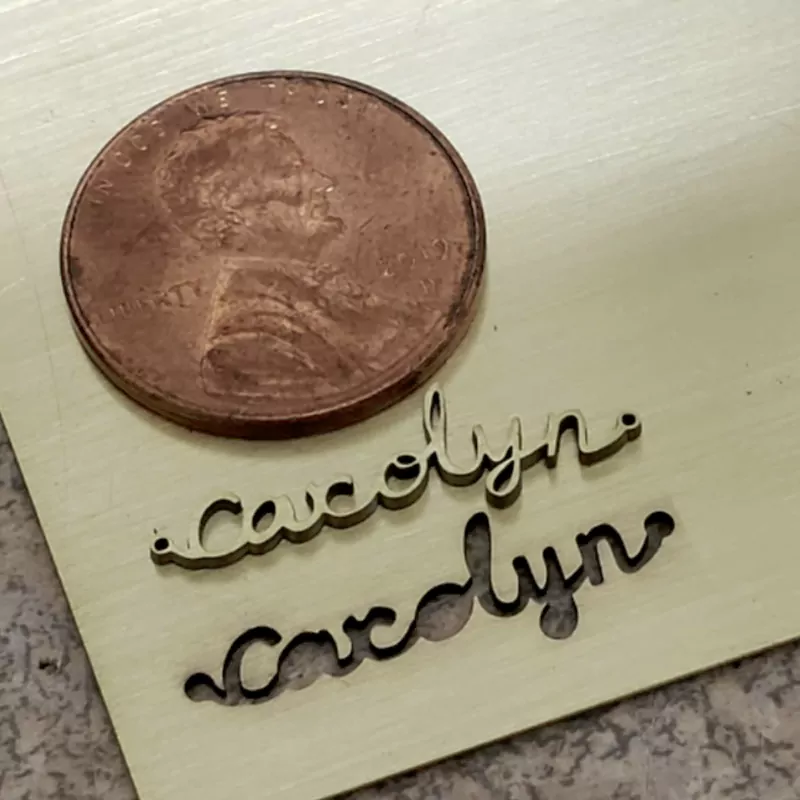
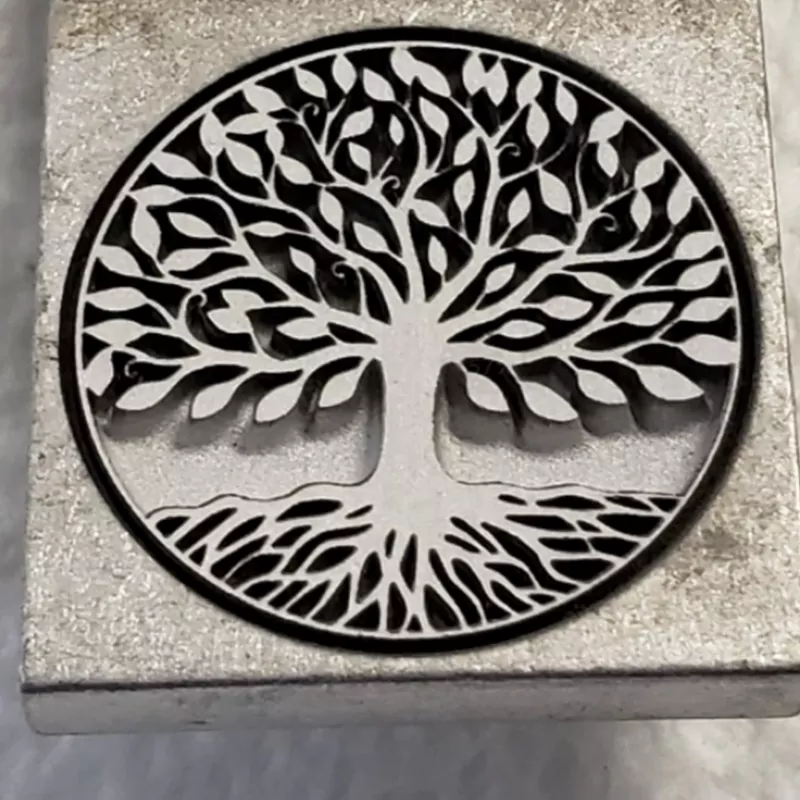
CO2 laser marking systems are known for their high precision and accuracy. The finely focused laser beam can create intricate designs and small text with exceptional detail, making these systems ideal for applications that require fine, detailed markings. Additionally, CO2 lasers produce permanent marks that are resistant to wear and environmental factors, ensuring that the markings remain legible and intact over time.

The core components of a CO2 laser marking system include the laser source, which generates the laser beam; the beam delivery system, which directs the beam to the material; and the control system, which manages the operation of the laser and ensures accurate and consistent marking. Advanced CO2 laser marking systems also incorporate sophisticated software that allows for easy design creation, customization, and integration with existing manufacturing workflows.
Overall, the technology behind CO2 laser marking systems is both robust and adaptable, making it a vital tool in the arsenal of modern manufacturing technologies.
Advantages of CO2 Laser Marking Systems
CO2 Laser Marking Machines offer a host of advantages that make them indispensable in advanced manufacturing processes. Here are some of the key benefits:
1. High Precision and Accuracy
One of the standout features of CO2 laser marking systems is their ability to produce highly precise and accurate markings. The finely focused laser beam allows for the creation of intricate designs, detailed graphics, and small text with exceptional clarity. This level of precision is crucial in industries such as electronics and medical devices, where even the smallest error can be critical.
2. Versatility in Materials
CO2 lasers are incredibly versatile, capable of marking a wide range of materials. This includes organic materials like wood, leather, and paper, as well as non-organic materials such as acrylic, glass, rubber, and certain plastics. This versatility makes CO2 laser marking systems a preferred choice for industries that work with diverse materials, such as the packaging, textile, and automotive sectors.
3. Durability and Permanence
The markings produced by CO2 laser systems are permanent and highly durable. They are resistant to wear, abrasion, and environmental factors such as moisture and UV exposure. This durability ensures that the markings remain legible and intact over the lifetime of the product, which is essential for applications requiring long-lasting identification and traceability.
4. Speed and Efficiency
CO2 laser marking systems are known for their fast marking speeds, which can significantly enhance production efficiency. High-speed marking capabilities allow manufacturers to process large volumes of products quickly without compromising on quality. This is particularly beneficial in high-volume industries like packaging and automotive manufacturing, where time and efficiency are crucial.
5. Non-Contact Process
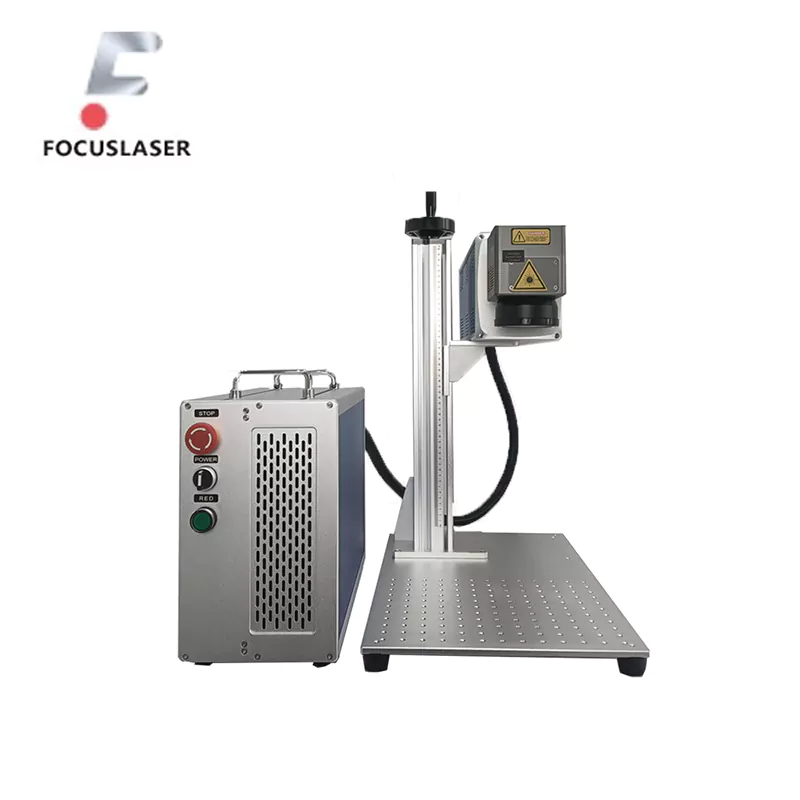
As a non-contact marking method, CO2 laser systems do not exert any physical pressure on the material being marked. This eliminates the risk of mechanical damage, deformation, or wear on the material, which is a common concern with traditional marking methods. The non-contact nature of CO2 laser marking also ensures a clean and precise finish, free from smudges or distortions.
6. Eco-Friendly Technology
CO2 laser marking is an environmentally friendly technology. It does not require the use of inks, chemicals, or other consumables that can be harmful to the environment. Additionally, the energy efficiency of modern CO2 laser systems helps reduce overall energy consumption, making them a sustainable choice for manufacturers committed to green practices.
7. Low Maintenance and Long Lifespan
CO2 laser marking systems are designed for durability and require minimal maintenance. The solid-state components and robust construction of these systems ensure long operational lifespans, reducing downtime and maintenance costs. This reliability makes CO2 laser marking systems a cost-effective investment for manufacturers.
These advantages underscore why CO2 laser marking systems are essential in advanced manufacturing. Their precision, versatility, and durability make them an ideal solution for a wide range of applications, from detailed engraving to high-speed marking on various materials.
Applications of CO2 Laser Marking Systems
CO2 laser marking systems are widely used across various industries due to their versatility and efficiency. They cater to a diverse range of applications, from high-precision engraving to large-scale industrial marking. Here are some of the key applications:
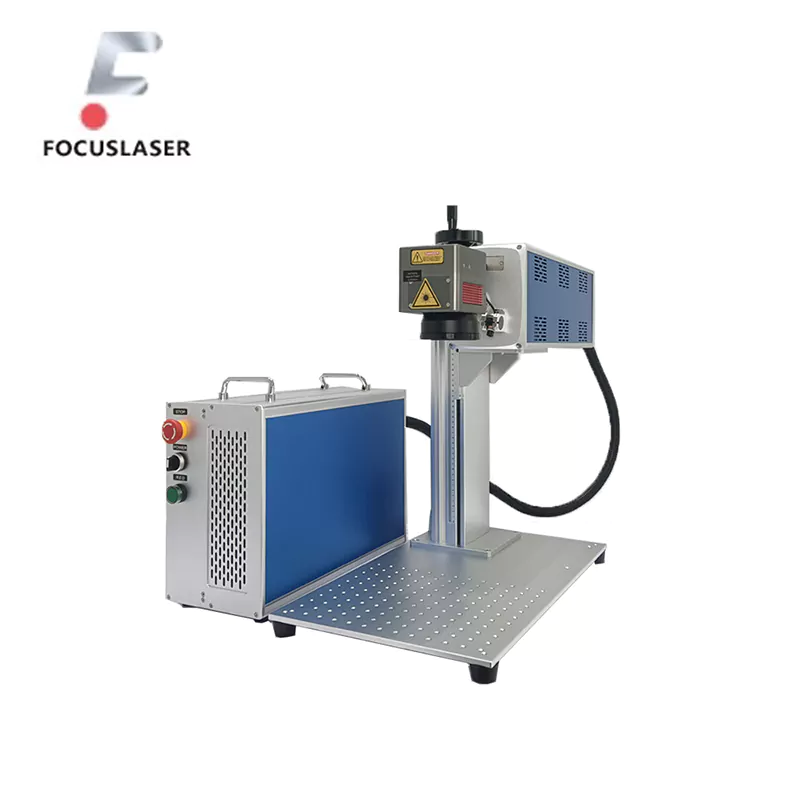
1. Automotive Industry In the automotive sector, CO2 laser marking systems are used to mark components with serial numbers, barcodes, and logos. This ensures traceability and authenticity, which are critical for quality control and regulatory compliance. For example, engine parts, dashboard components, and even vehicle identification numbers (VIN) are commonly marked using CO2 lasers.
2. Electronics Industry The electronics industry relies heavily on CO2 laser marking systems for marking circuit boards, electronic components, and housings. These markings are essential for traceability, identification, and quality control. The precision of CO2 lasers allows for the marking of small and intricate components without causing damage.
3. Medical Devices CO2 laser marking systems are used to mark medical instruments and devices with essential information such as serial numbers, batch numbers, and regulatory marks. These markings need to be precise, permanent, and biocompatible to meet stringent medical standards. Examples include surgical tools, implants, and medical equipment housings.
4. Packaging Industry In the packaging industry, CO2 laser marking systems are used to create detailed and durable markings on various packaging materials. This includes barcodes, expiry dates, batch numbers, and branding information. The speed and accuracy of CO2 lasers make them ideal for high-volume packaging operations.
5. Textile Industry The textile industry uses CO2 laser marking systems for engraving designs on fabrics and leather goods. This application is popular for fashion items, accessories, and promotional products. The precision of CO2 lasers allows for the creation of intricate patterns and logos on various textile materials.
Specific Applications for Wood, Leather, and Acrylic CO2 laser marking systems are particularly effective for the laser cutting and engraving of wood, leather, and acrylic, making them suitable for a variety of creative and industrial applications:
- Wood Engraving: CO2 lasers can engrave detailed designs and text on wooden items, making them ideal for creating toys, decorative items, artistic adaptations, souvenirs, Christmas decorations, gifts, architectural models, and furniture. The precision and permanence of the markings add significant value to these products.
- Leather Engraving: CO2 laser systems are perfect for customizing leather goods, including fashion accessories, wallets, belts, and promotional items. The laser can engrave detailed patterns and logos without damaging the leather.
- Acrylic Marking: CO2 lasers are used extensively in marking and cutting acrylic materials. This is especially useful for creating signage, awards, display items, and decorative pieces. The laser produces clean and precise edges, enhancing the aesthetic appeal of the final product.
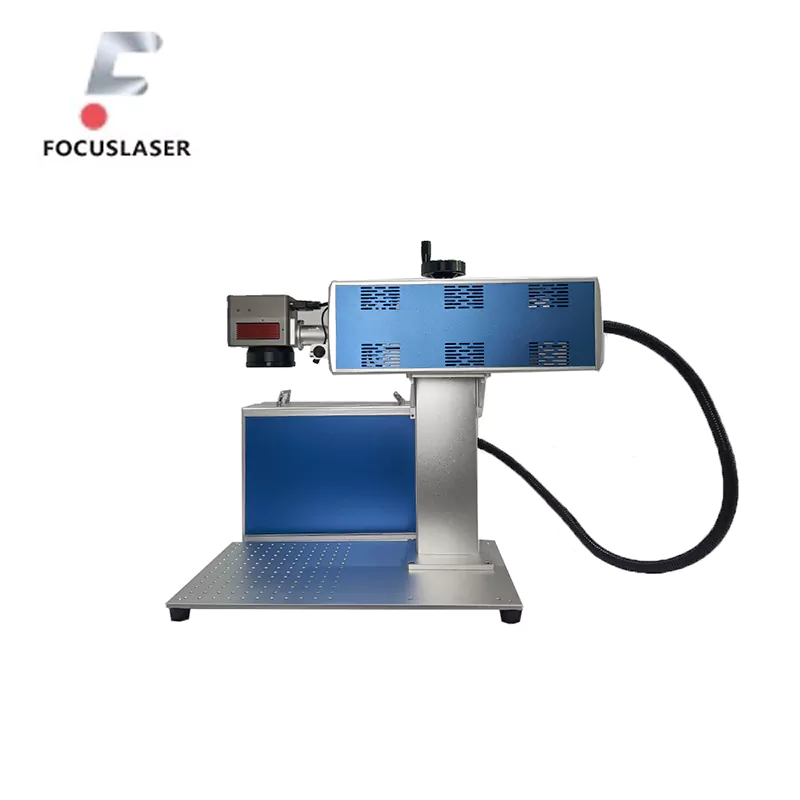
Focus Laser System’s CO2 Laser Marking Machine
Focus Laser System offers a high-quality CO2 laser marking machine specifically designed for precision engraving on wood, leather, and acrylic. This machine is equipped with several key features that make it stand out in the market:
- High Precision: Ensures detailed and accurate markings, making it suitable for intricate designs and small text.
- Fast Marking Speed: Enhances productivity by significantly reducing processing time, which is crucial for large-scale operations.
- User-Friendly Software: Simplifies operation and integration into existing workflows. The software supports various file formats, making it easy to create and customize designs.
- Robust Construction: Built to withstand industrial environments, ensuring long-term reliability and minimal maintenance requirements.
The machine’s versatility and high performance make it an excellent choice for businesses involved in laser cutting and engraving, providing consistent and high-quality results across various applications.
Comparing CO2 Laser Marking with Other Technologies
When choosing a laser marking system, it’s essential to compare CO2 lasers with other available technologies to determine which best meets your specific needs. The two primary alternatives to CO2 laser marking systems are fiber laser marking and UV laser marking. Each technology has its unique advantages and limitations.
1. Fiber Laser Marking
Best Suited For Metals and Certain Plastics: Fiber lasers are ideal for marking metals and some plastics. They operate at a wavelength of around 1.06 micrometers, which is highly effective for marking metals like stainless steel, aluminum, and titanium.
Advantages:
- High Efficiency: Fiber lasers are more energy-efficient than CO2 lasers, which can lead to lower operating costs.
- Low Maintenance: They require less maintenance due to their solid-state design.
- Durability: Fiber lasers have a longer operational life compared to CO2 lasers.
Disadvantages:
- Higher Initial Cost: The initial investment for fiber laser systems can be higher.
- Limited Material Versatility: Fiber lasers are not as versatile as CO2 lasers when it comes to marking organic materials like wood and leather.
2. UV Laser Marking
Suitable for Sensitive Materials: UV lasers, also known as cold lasers, operate at a wavelength of 355 nanometers. They are excellent for marking sensitive materials like glass, ceramics, and some plastics without causing thermal damage.
Advantages:
- Cold Marking: The low heat produced by UV lasers minimizes thermal damage to sensitive materials.
- High Precision: UV lasers can create very fine and detailed markings.
- Versatility: They are effective for a wide range of materials, including those that are difficult to mark with other laser types.
Disadvantages:
- Higher Cost: UV laser systems tend to be more expensive than both CO2 and fiber lasers.
- Lower Marking Speed: They generally have slower marking speeds compared to CO2 and fiber lasers.
3. CO2 Laser Marking
Versatility in Materials: As previously discussed, CO2 lasers excel in marking a wide variety of materials, including wood, leather, acrylic, glass, rubber, and certain plastics. This makes them a preferred choice for industries that require flexibility in material processing.
Advantages:
- Material Versatility: Can mark a broader range of materials compared to fiber and UV lasers.
- High Precision and Durability: Provides precise and durable markings suitable for various applications.
- Cost-Effective: Generally more affordable than UV lasers and offers a good balance between cost and functionality.
Disadvantages:
- Energy Efficiency: CO2 lasers are less energy-efficient than fiber lasers.
- Maintenance: They may require more maintenance compared to fiber lasers due to their more complex optical components.
Choosing the Right Laser Marking System
When selecting a laser marking system, it’s crucial to consider the specific needs of your application. Here are some key factors to keep in mind:
- Material Type: Determine the materials you will be marking most frequently. If you need to mark metals, a fiber laser might be the best choice. For marking a variety of organic and non-organic materials, a CO2 laser is more suitable.
- Marking Requirements: Consider the level of detail and precision required for your markings. UV lasers are excellent for high-precision tasks on sensitive materials, while CO2 lasers offer a good balance of precision and versatility.
- Budget: Assess your budget for initial investment and ongoing operational costs. CO2 lasers offer a cost-effective solution for many applications, while fiber lasers may provide cost savings in energy and maintenance over time.
- Production Volume: Evaluate the speed and efficiency requirements of your production process. High-volume operations may benefit from the fast marking speeds of CO2 and fiber lasers.
Key Features to Consider When Choosing a CO2 Laser Marking System
Selecting the right CO2 laser marking system is crucial to ensure it meets your specific needs and maximizes productivity. Here are the key features to consider:
1. Power and Wavelength
- Power Output: The power output of a CO2 laser marking system typically ranges from 10W to 100W or more. Higher power levels enable faster marking speeds and deeper engraving capabilities. However, for delicate materials or fine details, a lower power setting may be more appropriate.
- Wavelength: The standard wavelength for CO2 lasers is 10.6 micrometers, which is effective for a wide range of materials. Some systems may offer different wavelengths to optimize marking on specific materials.
2. Speed and Efficiency
- Marking Speed: High-speed marking is essential for maintaining productivity, especially in high-volume manufacturing environments. Look for systems that offer fast marking capabilities without compromising quality.
- Processing Time: Consider the overall efficiency of the system, including the time it takes to set up, operate, and complete the marking process.
3. Software Compatibility
- User-Friendly Interface: The software should be intuitive and easy to use, allowing operators to quickly create and customize designs. Features like drag-and-drop functionality, template libraries, and real-time previews can enhance usability.
- File Format Support: Ensure the software supports a variety of file formats (e.g., DXF, AI, PLT, BMP) to facilitate seamless integration with your existing design tools.
- Integration Capabilities: The ability to integrate with other manufacturing systems and databases can streamline workflows and improve overall efficiency.
4. Marking Area and Versatility
- Work Area Size: The size of the marking area determines the maximum size of the objects you can mark. Ensure the system’s work area is suitable for your typical product dimensions.
- Adjustable Focus: Systems with adjustable focus capabilities allow for greater versatility, enabling you to mark objects of varying shapes and sizes with consistent quality.
5. Build Quality and Durability
- Robust Construction: A durable, well-constructed machine will withstand the demands of an industrial environment. Look for systems made from high-quality materials with a solid build.
- Maintenance Requirements: Consider the maintenance needs of the system. Machines with easily accessible components and straightforward maintenance procedures can minimize downtime and reduce operational costs.
6. Safety Features
- Enclosures and Shields: Ensure the system includes appropriate safety enclosures or shields to protect operators from laser exposure.
- Emergency Stop: A readily accessible emergency stop button is essential for quickly shutting down the system in case of an emergency.
- Certification and Compliance: Verify that the system complies with relevant safety standards and certifications to ensure safe operation.
7. Customer Support and Service
- Technical Support: Reliable technical support is crucial for resolving issues quickly and minimizing downtime. Look for manufacturers that offer comprehensive support services, including online resources, phone support, and on-site assistance.
- Warranty and Service Plans: A robust warranty and service plan can provide peace of mind and protect your investment. Check the terms and coverage offered by the manufacturer.
8. Cost and Return on Investment
- Initial Investment: Assess the upfront cost of the system and compare it to the potential benefits and cost savings it can deliver. Consider the total cost of ownership, including maintenance and operating expenses.
- Return on Investment (ROI): Evaluate how the system will impact your productivity, quality, and overall efficiency. A higher initial investment may be justified by significant long-term savings and performance improvements.
By carefully considering these key features, you can select a CO2 laser marking system that best fits your needs and enhances your manufacturing processes. Investing in the right system will help you achieve precise, high-quality markings while maximizing efficiency and productivity.

Case Studies and Success Stories
1. Automotive Industry: Enhancing Traceability and Compliance
In the automotive industry, a major manufacturer adopted a CO2 laser marking system to improve traceability and ensure compliance with regulatory standards. By marking engine components and other parts with serial numbers and barcodes, the company was able to enhance their quality control processes significantly. This implementation not only reduced the risk of counterfeit parts entering the supply chain but also streamlined the recall process, ensuring that any defective parts could be quickly identified and traced back to their origin.
2. Electronics Industry: Precision and Durability
An electronics manufacturer faced challenges in marking circuit boards and electronic components with precise and durable identifiers. The introduction of CO2 laser marking systems allowed the company to mark even the smallest components with clear, readable text and graphics. The non-contact nature of CO2 lasers ensured that the delicate electronic parts were not damaged during the marking process. As a result, the company saw a reduction in product defects and an improvement in overall production efficiency.
3. Medical Devices: Meeting Stringent Standards
A medical device company required a reliable solution for marking surgical instruments and implants with critical information, such as batch numbers and regulatory marks. CO2 laser marking systems provided the high precision and permanence needed to meet stringent medical standards. The company was able to mark their devices with detailed, biocompatible markings that remained legible throughout the product’s lifespan, ensuring traceability and patient safety.
4. Packaging Industry: Speed and Versatility
In the packaging industry, a food and beverage company integrated CO2 laser marking systems to mark expiry dates, batch numbers, and branding information on various packaging materials. The high-speed marking capabilities of CO2 lasers allowed the company to keep up with high-volume production demands. The versatility of the laser systems enabled the company to mark different types of packaging materials, from plastic bottles to cardboard boxes, with consistent quality.
Future Trends in CO2 Laser Marking Technology
The future of CO2 laser marking technology is bright, with ongoing advancements poised to further enhance their capabilities and applications. Here are some key trends to watch:
1. Increased Efficiency and Power
Advancements in laser technology are leading to CO2 lasers with higher power outputs and improved efficiency. These developments will enable faster marking speeds and deeper engraving capabilities, expanding the range of applications for CO2 lasers.
2. Integration with Industry 4.0
The integration of CO2 laser marking systems with Industry 4.0 technologies, such as automation, data analytics, and the Internet of Things (IoT), is set to revolutionize manufacturing processes. Smart laser systems that can communicate with other machines and provide real-time data on performance and maintenance needs will enhance overall efficiency and productivity.
3. Enhanced Software Capabilities
Future CO2 laser marking systems will feature more advanced software with enhanced design capabilities, improved user interfaces, and greater compatibility with various file formats. This will make it easier for operators to create complex designs and integrate laser marking into existing manufacturing workflows.
4. Eco-Friendly Innovations
As manufacturers increasingly focus on sustainability, CO2 laser marking technology will continue to evolve to reduce its environmental impact. Innovations such as energy-efficient laser sources and eco-friendly materials will make CO2 laser marking systems an even more sustainable choice for manufacturers.
Conclusion
CO2 laser marking systems have proven to be essential tools in advanced manufacturing, offering unmatched precision, versatility, and durability. Their ability to mark a wide range of materials, from wood and leather to acrylic and metals, makes them indispensable across various industries. With continuous advancements in laser technology, software integration, and sustainability, CO2 laser marking systems will continue to play a crucial role in modern manufacturing processes, driving innovation and efficiency.
Therefore, the adoption of CO2 laser marking systems can significantly enhance productivity, ensure compliance with industry standards, and provide high-quality, durable markings for a multitude of applications. As technology advances, these systems will only become more powerful and versatile, solidifying their place as a cornerstone of advanced manufacturing.
As we’ve explored, CO2 laser marking systems offer unparalleled precision, versatility, and efficiency, making them essential for modern manufacturing. If you’re looking to enhance your production processes with state-of-the-art laser marking technology, our CO2 laser marking machine is the perfect solution.
To learn more about how Focus Laser System’s CO2 laser marking machine can benefit your business, visit our product page or get in touch with our expert team. We’re here to help you find the best laser marking solution for your specific needs.
Contact us today to discuss your requirements and discover how our advanced CO2 laser marking systems can transform your manufacturing operations.
